


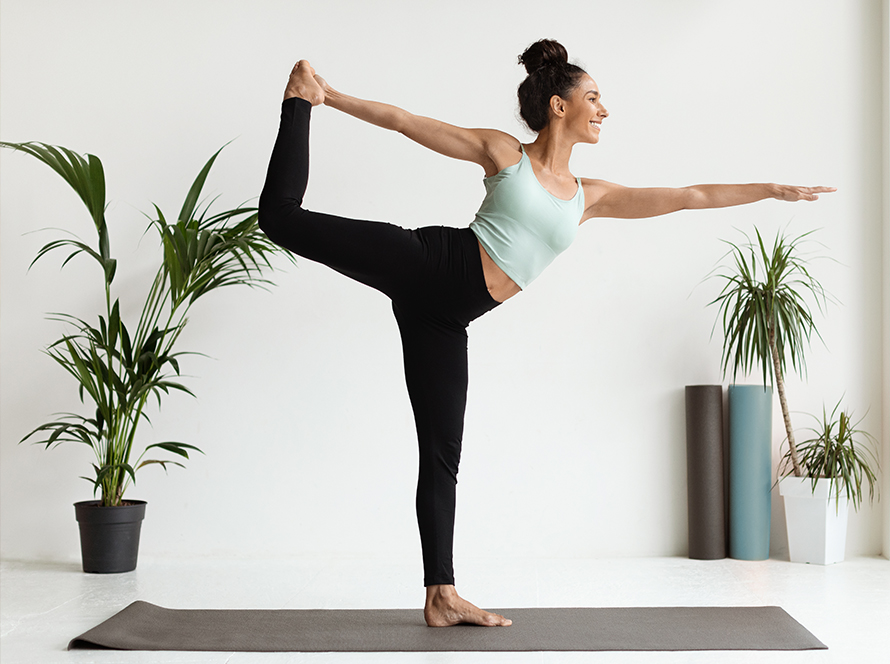
Posture & Asana Alignment is a mindful movement practice that focuses on how the body holds, moves, and supports itself in everyday life. Rooted in the essence of traditional yogic asanas, this approach goes beyond simply “doing poses.” It emphasizes awareness, precision, and intelligent alignment—helping the body move with ease, stability, and balance.
In modern lifestyles, long hours of sitting, screen exposure, and limited movement patterns often lead to poor posture, muscular imbalances, and chronic discomfort. Over time, this not only affects physical health but also impacts energy levels, breathing patterns, and overall well-being. Posture & Asana Alignment works to gently correct these patterns by retraining the body to find its natural alignment.
A typical session begins with awareness—understanding how you stand, sit, and move. Through slow, guided movements inspired by classical asanas, the practice builds strength, flexibility, and coordination. Each posture is approached with attention to detail, ensuring that the body is supported rather than strained. The focus is not on intensity or performance, but on creating a deeper connection between body and mind.
As the practice unfolds, muscles begin to activate in a more balanced way, joints experience less pressure, and movement becomes more fluid. Breath is naturally integrated into each posture, enhancing stability and bringing a sense of calm focus. Over time, this leads to improved posture, reduced pain, and a more grounded physical presence.
Posture & Asana Alignment also has a subtle yet powerful impact beyond the physical. When the body is aligned, energy flows more freely, breathing becomes more efficient, and the mind experiences greater clarity. It creates a foundation for other wellness practices, supporting everything from meditation to daily activity.
Within a wellness program, this practice serves as the “align” phase—bringing structure and balance after release and before deeper stillness. It prepares the body to move better, sit comfortably, and sustain awareness for longer periods.
This is not just about posture—it is about creating a body that feels supported, a mind that feels steady, and a way of moving that feels natural and effortless.